What Is Retatrutide?
Retatrutide (also known by its development code LY3437943) is an investigational triple-receptor agonist developed by Eli Lilly and Company. It simultaneously targets three receptors involved in metabolic regulation: the glucagon-like peptide-1 (GLP-1) receptor, the glucose-dependent insulinotropic polypeptide (GIP) receptor, and the glucagon receptor PMID: 37366342.
This triple mechanism is what distinguishes retatrutide from earlier incretin-based compounds like semaglutide (a GLP-1 agonist) or tirzepatide (a dual GLP-1/GIP agonist). In preclinical and early clinical work, the addition of glucagon receptor activity has been associated with effects on energy expenditure and hepatic fat metabolism — though the full clinical significance is still under investigation.
As of mid-2026, retatrutide remains an investigational compound. It has not received regulatory approval from the FDA or any other major agency for human therapeutic use. It is in phase 3 clinical trials.
Let’s address some of the most persistent misconceptions circulating in research and peptide communities.
Myth #2: “The Weight Loss Numbers Mean Retatrutide Is Proven for Human Use”
The 24.2% figure from the Jastreboff et al. phase 2 trial is striking, and it’s easy to see why it generates excitement. But it’s important to understand what that number does — and doesn’t — tell us.
Phase 2 trials are designed to assess dose-response relationships, tolerability, and preliminary efficacy signals in relatively small populations. The Jastreboff trial enrolled 338 participants across multiple dose arms. While the results are promising, they are not equivalent to the large-scale, long-term phase 3 data that regulatory agencies require for approval.
Furthermore, the trial had specific inclusion criteria: participants had obesity or were overweight with at least one weight-related comorbidity. The results cannot be generalized to all populations.
As of this writing, phase 3 trials are underway. Those larger, longer studies will provide the kind of robust data needed to understand retatrutide’s risk-benefit profile across broader populations. Until those results are published, the responsible framing is that early-phase research suggests significant metabolic effects — not that those effects are proven for general use.
Myth #4: “Triple Agonism Is Always Better Than Single or Dual Agonism”
The logic seems intuitive: if activating one receptor helps, and activating two helps more, then activating three must be best. But pharmacology rarely works that simply.
Each additional receptor target introduces potential for off-target effects, dose-dependent adverse events, and complex pharmacokinetic interactions. In the phase 2 retatrutide trial, gastrointestinal side effects — including nausea, diarrhea, and vomiting — were dose-dependent and occurred at rates comparable to or higher than those seen with GLP-1 monotherapy PMID: 37366337.
The glucagon receptor component also warrants careful consideration. While glucagon agonism may support fat oxidation, it simultaneously raises glucose levels — an effect that could be counterproductive in certain metabolic contexts. Balancing these opposing actions is one of the central challenges of triple-agonist development.
The point isn’t that triple agonism is worse — it’s that “more receptors” doesn’t automatically mean “better outcomes.” The therapeutic index depends on the specific agonist, its relative potency at each receptor, its pharmacokinetics, and the clinical context.
Frequently Asked Questions
Is retatrutide approved by the FDA?
No. As of mid-2026, retatrutide has not received FDA approval or approval from any other major regulatory agency. It is currently in phase 3 clinical trials for obesity and type 2 diabetes. All availability is limited to research contexts.
How does retatrutide differ from semaglutide?
Semaglutide is a single-receptor GLP-1 agonist. Retatrutide activates three receptors: GLP-1, GIP, and glucagon. This triple mechanism may account for the greater magnitude of weight reduction observed in early-phase trials, though head-to-head comparisons in phase 3 are still pending.
What should I look for in a research peptide supplier?
At minimum: third-party certificates of analysis (COAs) with HPLC purity data and mass spectrometry verification, transparent sourcing and synthesis practices, proper cold-chain shipping for temperature-sensitive compounds, and clear documentation of batch numbers. We cover these criteria in our peptide vendor evaluation guide.
Are there side effects associated with retatrutide in research settings?
In published clinical trials, the most commonly reported adverse events were gastrointestinal in nature — nausea, diarrhea, vomiting, and constipation — and were generally dose-dependent. Injection site reactions were also reported. These findings are consistent with the known side-effect profile of incretin-based compounds.
Where can I read more about incretin-based research compounds?
Our compound page on retatrutide provides a continuously updated summary of published research. For broader context, our guide to GLP-1 receptor agonists covers the mechanistic landscape across multiple compounds in this class.
In a phase 2 randomized controlled trial published in The New England Journal of Medicine, participants receiving the highest dose of retatrutide experienced a mean weight reduction of 24.2% over 48 weeks — nearly one-quarter of their baseline body weight PMID: 37366337. For context, that degree of change in a single study was virtually unheard of for a pharmaceutical intervention just five years ago.
That finding sent ripples through both clinical research and the broader peptide community. Today, retatrutide remains one of the most discussed investigational compounds in metabolic research. But with that interest comes a wave of misconceptions — about what it is, how it works, what the evidence actually shows, and how researchers should think about sourcing.
This guide separates myth from reality so you can approach the topic with clear eyes.
Myth #1: “Retatrutide Is Just Another GLP-1 Drug”
This is probably the most common oversimplification. While retatrutide does activate the GLP-1 receptor — the same target that underlies semaglutide and liraglutide — that’s only one-third of its pharmacological profile.
The glucagon receptor component is particularly noteworthy. Glucagon is traditionally understood as a counter-regulatory hormone to insulin, but emerging research suggests its role in metabolism is far more nuanced. In the context of multi-receptor agonism, glucagon receptor activation may contribute to increased energy expenditure, enhanced lipolysis, and reductions in hepatic steatosis (fatty liver) PMID: 33677656.
The GIP receptor component, meanwhile, has been shown in preclinical models to influence fat distribution and may complement GLP-1 signaling in appetite regulation.
The takeaway: retatrutide’s triple mechanism represents a genuinely different pharmacological approach, not merely a repackaged GLP-1 agonist. Conflating it with earlier compounds overlooks the very feature that makes it of scientific interest.
Myth #3: “Research Peptides From Any Online Vendor Are Equivalent”
This misconception isn’t unique to retatrutide — it applies across the entire research peptide space — but the current demand for retatrutide makes it particularly relevant.
The research peptide market is vast and largely unregulated. Vendors range from established chemical suppliers with published certificates of analysis (COAs) to anonymous websites selling compounds of unknown provenance. The quality gap between these extremes is enormous.
Common issues with low-quality peptide sources include:
-
Incorrect peptide sequences — synthesis errors can result in compounds that are structurally different from what’s on the label.
-
Impurities and residual solvents — without proper purification (such as HPLC), crude peptide preparations may contain truncated sequences, deletion products, or chemical contaminants.
-
Inaccurate concentration — lyophilized peptides may contain significantly more or less active material than stated.
-
Degradation — improper storage and shipping can result in hydrolysis, oxidation, or aggregation, all of which alter the compound’s properties.
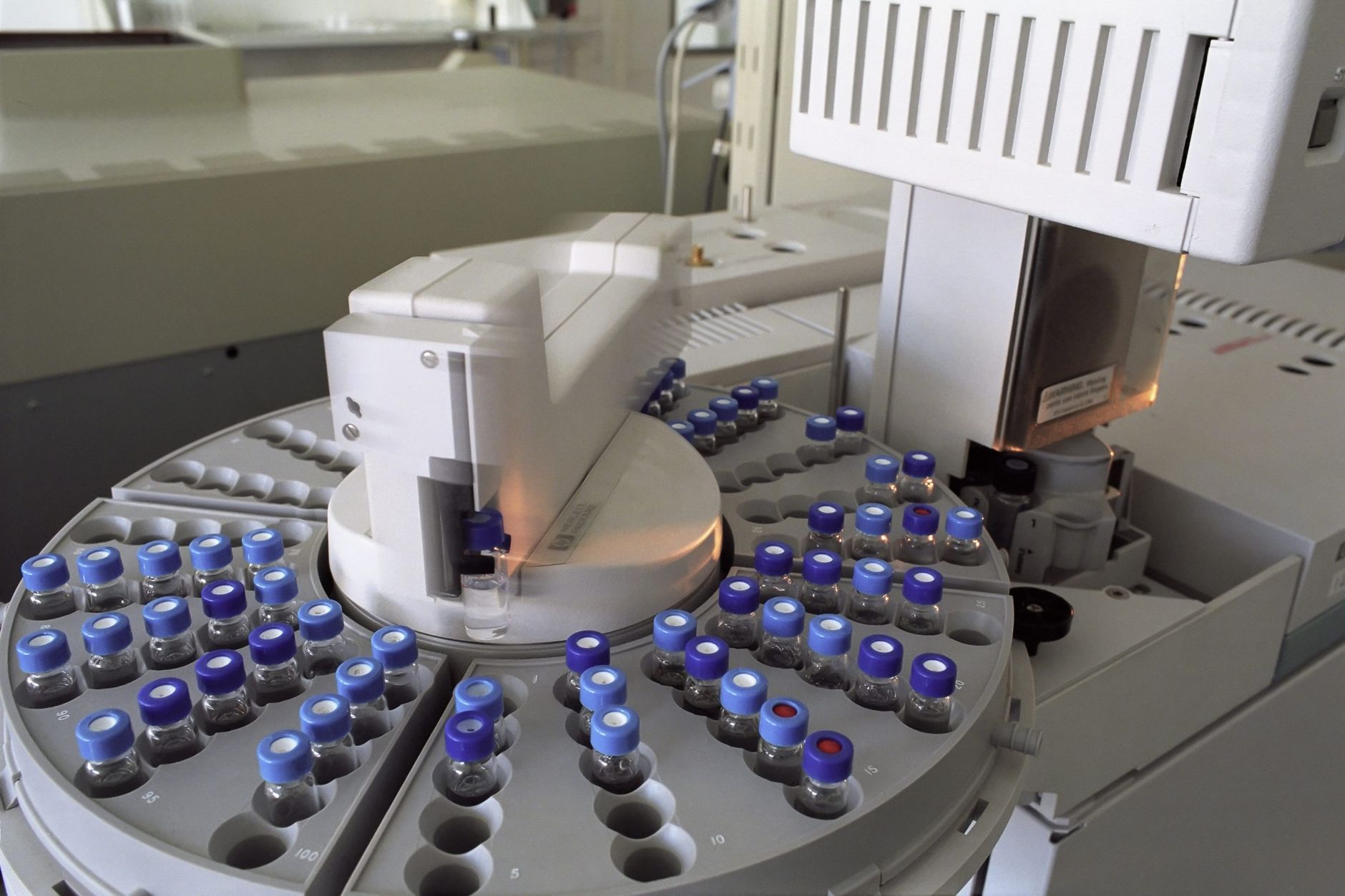
For researchers working with retatrutide specifically, verifying that a supplier provides third-party analytical testing — including HPLC purity analysis and mass spectrometry confirmation — is a minimum standard. If a vendor cannot or will not provide these documents, the compound’s identity and purity are effectively unknown.
We maintain a regularly updated guide to evaluating research peptide vendors that covers these criteria in detail.
What the Evidence Actually Supports
To be clear, the existing research on retatrutide is genuinely promising:
-
Body weight: The phase 2 obesity trial demonstrated substantial, dose-dependent weight reductions over 48 weeks, with the 12 mg dose arm achieving a mean loss of 24.2% PMID: 37366337.
-
Glycemic control: A separate phase 2 trial in participants with type 2 diabetes found that retatrutide significantly reduced HbA1c levels compared to placebo, with improvements observed across multiple dose groups PMID: 37366342.
-
Hepatic fat: Subanalyses from the obesity trial suggested marked reductions in liver fat content, consistent with preclinical data on glucagon receptor agonism and hepatic lipid metabolism.
-
Mechanism: The triple-receptor approach is grounded in a substantial body of incretin biology research, with PMID: 33677656 providing a comprehensive review of how GLP-1, GIP, and glucagon pathways interact in metabolic regulation.
These findings are exciting for the field. But they exist within a research context — not a clinical recommendation framework. The responsible approach for researchers is to engage with this evidence critically, acknowledge its limitations, and avoid extrapolating beyond what the data support.
This article is for educational and informational purposes only. It does not constitute medical advice, and no health claims are made. Retatrutide is an investigational compound not approved for human therapeutic use. All information is presented in a research context. Always consult a qualified healthcare professional for medical decisions.