Imagine you’re a researcher studying BPC-157 in a wound-healing model. You’ve designed your experiment carefully. You ordered a batch of research-grade peptide from a well-reviewed supplier.
The vials arrive looking legitimate. Clean packaging, a printed label, even a document titled “Certificate of Analysis.”
But weeks later, your results don’t match published benchmarks. Your dose-response curves are flat where they should be steep. Your negative controls are behaving strangely.
Mass spectrometry on the remaining sample reveals the vial held only 64% of the labeled peptide. The rest contains an unidentified contaminant.
Versions of this scenario play out in laboratories more often than the research community acknowledges. Peptide quality is inconsistent, and verification is difficult. This threatens scientific reproducibility.
BPC-157 and the Growing Research Interest
BPC-157 is a synthetic pentadecapeptide comprising fifteen amino acids. A pentadecapeptide is simply a chain of fifteen amino acids. The name stands for Body Protection Compound-157.
It was first identified as a partial sequence of a protein found in human gastric juice. Over two decades, preclinical work has explored its activity across many systems.
Studies suggest the peptide may act on several growth factor pathways. Chang and colleagues found it enhanced growth hormone receptor expression in tendon fibroblasts in vitro. The authors suggest a possible role in connective tissue biology PMID: 25268724.
A theoretical review by Sikiric et al. outlined a framework connecting the peptide to the brain-gut axis. It described preclinical links to nitric oxide signaling PMID: 27667355.
Earlier work by the same group cataloged the peptide’s interactions with the vascular system. They noted a consistent relationship with nitric oxide signaling PMID: 23782145.
These studies have fueled demand for high-purity BPC-157. For a look at the peptide’s molecular profile, see our BPC-157 compound page.
But the market’s growth has introduced quality challenges. The early literature rarely addressed them. The integrity of the test substance is a foundation, not a footnote.
The Quality Gap: What Independent Testing Reveals
The synthetic peptide marketplace has expanded rapidly. Pharmaceutical-grade peptides must meet strict standards for identity and purity. Research-grade peptides face much less oversight.
The barrier to entry for suppliers is low. Quality-control expectations are often undefined.
Independent third-party testing has repeatedly found recurring issues in consumer market peptides:
Underdosing is the most common finding. The actual peptide content in a vial often falls below the label.
This isn’t necessarily intentional fraud. Peptide synthesis is technically demanding. Even careful manufacturers can struggle with consistency.
Some reports show vials with only 50–70% of the labeled peptide mass. Water, mannitol, or other fillers often make up the rest.
Contamination is more concerning. Common impurities include trifluoroacetic acid (TFA). TFA is a chemical used to build peptides step by step.
If washing steps are weak, TFA can stay in the final product. It may then affect experimental outcomes.
Heavy metal residues from reagents have also been found in some samples. In some cases, mass spectrometry revealed entirely wrong peptide sequences.
Degradation is a third concern. Peptides are fragile molecules. Heat, light, or humidity during shipping can break them down.
A vial may leave the supplier in good condition. It can arrive at the lab already compromised.
These issues affect many peptides but hit BPC-157 hard. The peptide is studied at narrow concentration ranges. Small gaps between labeled and actual potency can shift results.
Why This Matters for Scientific Integrity
Data published from unverified peptides enters the literature without any warning. The test substance may have been substandard.
Another lab may replicate the work from a different supplier and a different batch. They may get different results. The tools were different, not the biology.
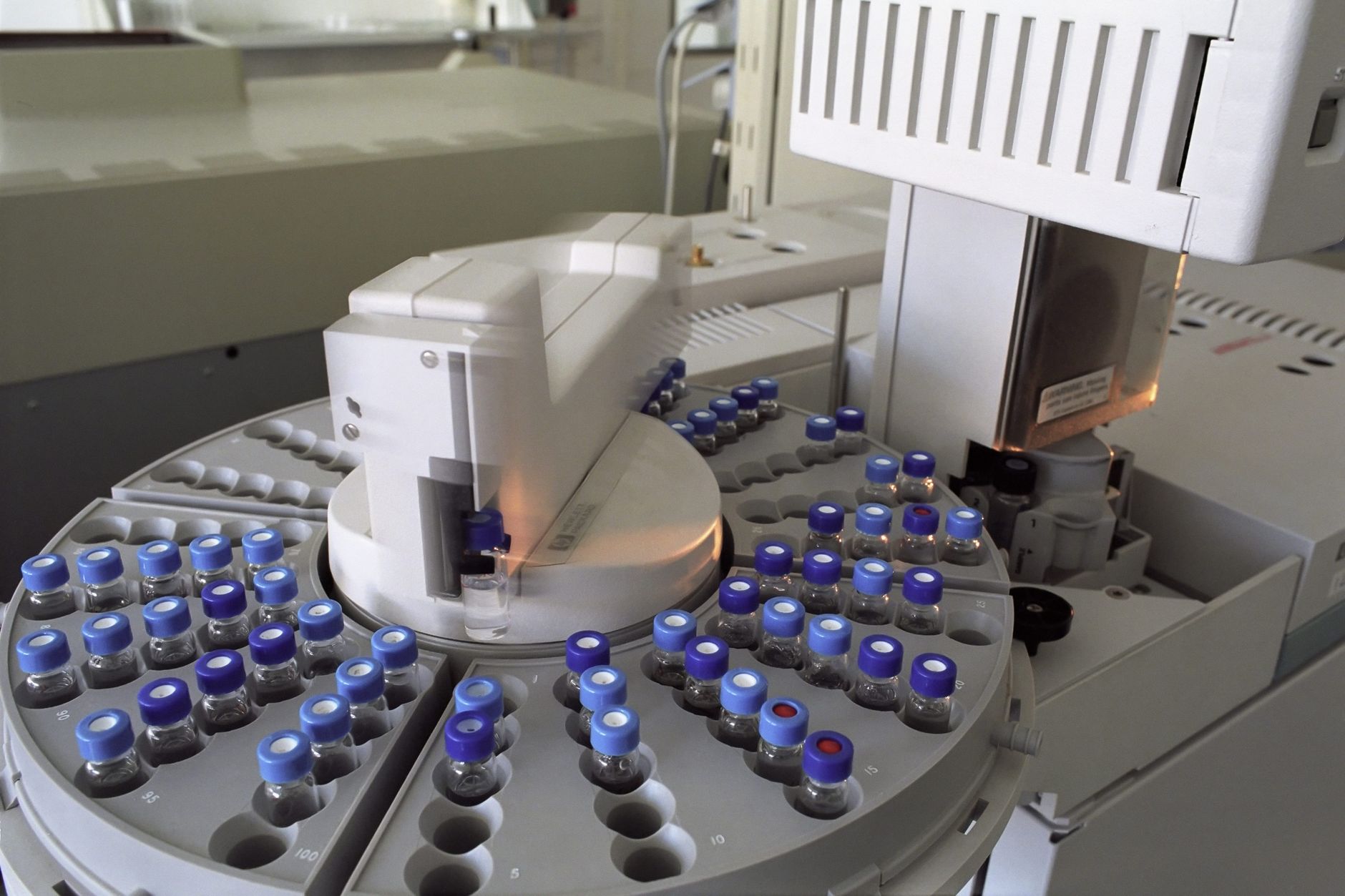
Peptide research is especially vulnerable. Testing requires special tools: high-performance liquid chromatography (HPLC) for purity, mass spectrometry for identity.
Amino acid analysis is also needed for accurate counts. These tools aren’t available to every lab. Not every researcher can verify every incoming shipment.
This creates a gap in information. Suppliers may or may not test rigorously. Researchers may or may not verify. In this gap, the research record is at risk.
What to Look For: A Practical Quality Checklist
For researchers sourcing BPC-157 or other synthetic peptides, these steps may reduce risk:
-
Request a batch-specific Certificate of Analysis (CoA). A good supplier should show HPLC purity data. Look for a real chart, not just a percentage. The CoA should also show mass spectrometry results confirming the molecular weight. It may list residual solvent and TFA levels too. Generic CoAs not tied to a specific batch offer little help.
-
Verify the analytical methods reported. The CoA should name the techniques used. A claim of “≥99% purity” without data is hard to trust. Look for a real HPLC trace and a mass spec spectrum. The acceptance criteria should be clear.
-
Look for third-party or independent verification. Some suppliers send products to independent labs for testing. This doesn’t guarantee every batch is perfect. It does add a layer of accountability.
-
Ask about storage and shipping conditions. Peptides are temperature-sensitive. Suppliers should explain their cold-chain rules and packaging.